
Day 1 | Audi 1 – Session 2 : 11.00 am
Padmashri Dr. Meenakshi Jain and Prithvi Karinje
Kashi is Mentioned in the Upanishads; History is Etched on Temple Walls: Dr. Meenakshi Jain
Renowned Historian Clarifies the Controversy Regarding Temple Sites in Kashi and Mathura at Mangaluru Lit Fest
“Kashi is mentioned in the Upanishads itself, and history is etched on the walls of Kashi’s temples. It is incorrect to trace the history of Kashi only from the 12th century,” asserted renowned historian and Padmashri awardee Dr. Meenakshi Jain.
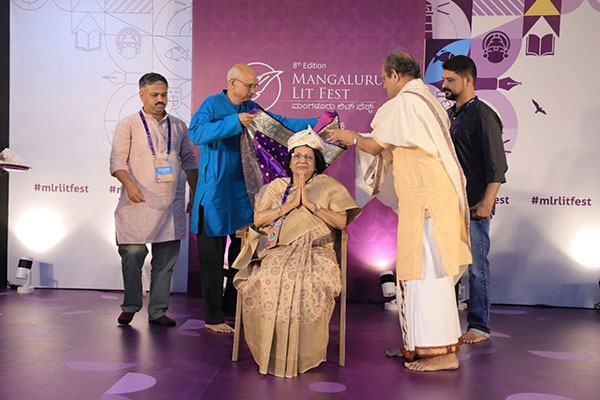
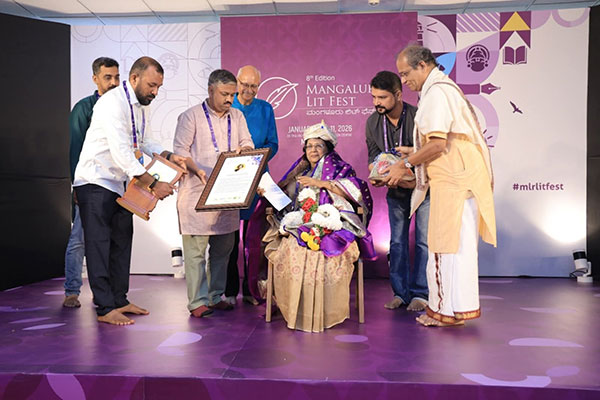
Dr. Meenakshi Jain, who received the 8th Mangaluru Lit Fest Award, was answering a question on controversies surrounding Kashi and Mathura during an interactive session.
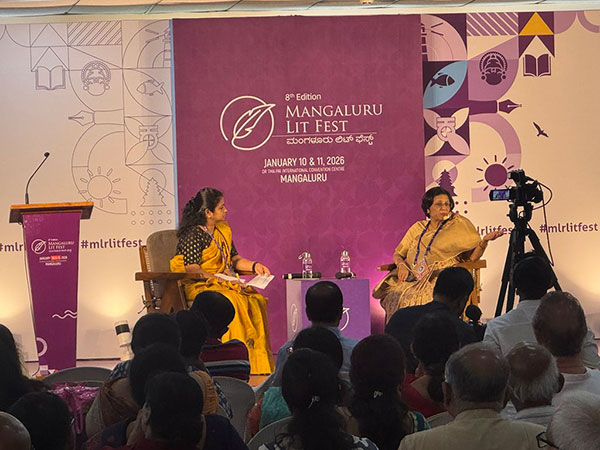
“Kashi’s history is often cited starting only from the 12th century. That is incorrect. Kashi has existed since the period of the Upanishads; we must understand that. Its history is written right on the walls of the temple. Nevertheless, in 1936, an individual filed a lawsuit claiming the land belonged to the Waqf. A thorough investigation was conducted even under British rule. Information was gathered by interviewing 35 residents, and a report of nearly four thousand pages was submitted,” she pointed out.
Clarifying the issue over Mathura, she said: “In Mathura, out of the 13.3 acres of land reserved for the temple, a national party gave three acres to the Idgah Maidan in 1968. Previously, it was not possible to speak or write about these issues. Prior to 2010, no publishers would come forward to publish books on Indian history. Now, my books are being published. I never believed I would see the Ram Mandir in Ayodhya, but in 2025, that has become a reality.”
Speaking in the session titled “Reconnecting with Our Civilisational Heritage,” she said: “Several civilizations have perished over time. However, if our civilization remains alive today despite numerous invasions, it is because of the common people and their faith.”
“The reason we did not surrender, regardless of the attacks on our civilization, is our beliefs and practices. We have worshipped the Mother Goddess since time immemorial. There is a reference to this even in an inscription found in Madhya Pradesh dating back approximately 11,000 years, and it continues to this day. We have not abandoned our faith. It is the common people who have preserved and carried that faith forward,” she stated.
Ours is a Country Where People of All Faiths Lived in Harmony
“In the past, the common people played a far more significant role than the kings. Our civilization was not built by kings alone; the contribution of the common people is immense. Some years ago, 601 inscriptions were discovered in Sanchi. Among the pillars there, only three were donated by kings. All the rest were donated by the common people. Carpenters, cart-pullers, and others donated according to their means, and this is recorded in the inscriptions themselves. It was not just men; women also played a vital role,” she said.
“However,” she continued, “our textbooks have taught us that there were always conflicts between different classes and that we were constantly fighting each other. We are told there were internal feuds between Hindus, Jains, and Buddhists for generations. This was a conspiracy by the British to ‘divide and rule’ us. But that is a lie. Ours is a country where people of all faiths lived harmoniously. Indian history must be viewed through Indian eyes, not through the eyes of foreigners.”
The dialogue with Dr. Meenakshi Jain was moderated by Prithvi Karinje. Earlier, during the inaugural ceremony, Dr. Meenakshi Jain participated enthusiastically and helped pull the ‘Saraswathi Chariot’.
ಉಪನಿಷತ್ ನಲ್ಲಿಯೇ ಕಾಶಿ ಉಲ್ಲೇಖವಿದೆ, ದೇಗುಲದ ಗೋಡೆಗಳ ಮೇಲೆ ಇತಿಹಾಸವಿದೆ: ಡಾ.ಮೀನಾಕ್ಷಿ ಜೈನ್
ಮಂಗಳೂರು ಲಿಟ್ ಫೆಸ್ಟ್ ನಲ್ಲಿ ಕಾಶಿ ಮತ್ತು ಮಥುರಾದ ದೇವಸ್ಥಾನದ ಜಾಗ ವಿವಾದ ಕುರಿತು ಸ್ಪಷ್ಟನೆ ನೀಡಿದ ಖ್ಯಾತ ಇತಿಹಾಸಕಾರ್ತಿ
ಮಂಗಳೂರು ಲಿಟ್ ಫೆಸ್ಟ್ ವೇದಿಕೆ, ಮಂಗಳೂರು: ‘ಉಪನಿಷತ್ ನಲ್ಲಿಯೇ ಕಾಶಿಯ ಉಲ್ಲೇಖವಿದೆ, ಕಾಶಿಯ ದೇಗುಲದ ಗೋಡೆಗಳ ಮೇಲೆ ಇತಿಹಾಸವಿದೆ. ಕಾಶಿಯ ಇತಿಹಾಸವನ್ನು 12ನೇ ಶತಮಾನದಿಂದ ಉಲ್ಲೇಖಿಸುವುದು ತಪ್ಪು’ ಎಂದು ಖ್ಯಾತ ಇತಿಹಾಸಕಾರ್ತಿ ಪದ್ಮಶ್ರೀ ಡಾ.ಮೀನಾಕ್ಷಿ ಜೈನ್ ಹೇಳಿದ್ದಾರೆ. ಈ ಮೂಲಕ ಕಾಶಿ ಹಿಂದೂಗಳಿಗೆ ಸೇರಿದ್ದು ಎಂಬುದನ್ನು ಅವರು ಪರೋಕ್ಷವಾಗಿ ಸ್ಪಷ್ಟಪಡಿಸಿದ್ದಾರೆ.
8ನೇ ಆವೃತ್ತಿಯ ಮಂಗಳೂರು ಲಿಟ್ ಫೆಸ್ಟ್ ಪ್ರಶಸ್ತಿ ಸ್ವೀಕರಿಸಿದ ಡಾ.ಮೀನಾಕ್ಷಿ ಜೈನ್ ಅವರು ಬಳಿಕ ಸಂವಾದದಲ್ಲಿ ಭಾಗವಹಿಸಿದರು. ಈ ಸಂದರ್ಭದಲ್ಲಿ ಅವರಿಗೆ ಕಾಶಿ ಮತ್ತು ಮಥುರಾದಲ್ಲಿ ದೇವಸ್ಥಾನದ ಜಾಗ ವಿವಾದಕ್ಕೀಡಾಗಿರುವುದರ ಕುರಿತು ಪ್ರಶ್ನೆ ಎದುರಾಯಿತು. ಈ ಪ್ರಶ್ನೆಗೆ ಉತ್ತರಿಸಿದ ಅವರು, ‘ಕಾಶಿಯ ಇತಿಹಾಸವನ್ನು 12ನೇ ಶತಮಾನದಿಂದ ಉಲ್ಲೇಖಿಸಲಾಗುತ್ತದೆ. ಅದು ತಪ್ಪು. ಉಪನಿಷತ್ ಕಾಲದಿಂದಲೂ ಕಾಶಿಗೆ ಅಸ್ತಿತ್ವವಿದೆ. ಅದನ್ನು ನಾವು ಅರ್ಥ ಮಾಡಿಕೊಳ್ಳಬೇಕು. ಅಲ್ಲಿಯ ಇತಿಹಾಸವನ್ನು ದೇವಸ್ಥಾನದ ಗೋಡೆಗಳ ಮೇಲೆಯೇ ಬರೆಯಲಾಗಿದೆ. ಆದರೂ 1936ರಲ್ಲಿ ವ್ಯಕ್ತಿಯೊಬ್ಬರು ಅದು ವಕ್ಫ್ ಗೆ ಸೇರಿದ ಜಾಗವೆಂದು ದಾವೆ ಹೂಡಿದರು. ಬ್ರಿಟಿಷರ ಆಡಳಿತದಲ್ಲೇ ಸಂಪೂರ್ಣವಾಗಿ ತನಿಖೆ ನಡೆಸಲಾಯಿತು. ಅಲ್ಲಿ 35 ನಿವಾಸಿಗಳನ್ನು ಮಾತನಾಡಿಸಿ ಮಾಹಿತಿ ಸಂಗ್ರಹಿಸಲಾಯಿತು. ಸುಮಾರು ನಾಲ್ಕು ಸಾವಿರ ಪುಟಗಳಷ್ಟು ವರದಿಯನ್ನು ಸಲ್ಲಿಸಲಾಗಿದೆ’ ಎಂದು ಹೇಳಿದರು.
ನಂತರ ಮಥುರಾ ಕುರಿತು ಸ್ಪಷ್ಟನೆ ನೀಡಿದ ಅವರು, ‘ಮಥುರಾದಲ್ಲಿ ದೇವಸ್ಥಾನಕ್ಕೆ ಮೀಸಲಾಗಿದ್ದ 13.3 ಎಕರೆ ಜಮೀನಿನ ಪೈಕಿ ಮೂರು ಎಕರೆ ಪ್ರದೇಶವನ್ನು 1968ರಲ್ಲಿ ರಾಷ್ಟ್ರೀಯ ಪಕ್ಷವೊಂದು ವಕ್ಫ್ ಗೆ ನೀಡಿದೆ. ಮುಂಚೆ ಈ ರೀತಿ ಇತಿಹಾಸ ಕುರಿತು ಮಾತನಾಡಲು ಅಥವಾ ಬರೆಯುವುದಕ್ಕೆ ಸಾಧ್ಯವಾಗುತ್ತಿರಲಿಲ್ಲ. 2010ಕ್ಕೂ ಮೊದಲು ಭಾರತದ ಇತಿಹಾಸ ಕುರಿತು ಪುಸ್ತಕಗಳನ್ನು ಪ್ರಕಟಿಸುವುದಕ್ಕೆ ಯಾವ ಪ್ರಕಾಶಕರು ಮುಂದೆ ಬರುತ್ತಿರಲಿಲ್ಲ. ಈಗ ನನ್ನ ಪುಸ್ತಕಗಳು ಪ್ರಕಟಗೊಳ್ಳುತ್ತವೆ. ನಾನು ಅಯೋಧ್ಯೆಯಲ್ಲಿ ರಾಮ ಮಂದಿರ ನೋಡುತ್ತೇನೆ ಎಂಬ ನಂಬಿಕೆ ಇರಲಿಲ್ಲ. ಆದರೆ, 2025ರಲ್ಲಿ ಅದು ನಿಜವಾಗಿದೆ’ ಎಂದು ಹೇಳಿದರು.
ನಾಗರೀಕತೆಯ ಜೊತೆಗೆ ಮರುಸಂಪರ್ಕ ಎಂಬ ಗೋಷ್ಠಿಯಲ್ಲಿ ಮಾತನಾಡಿದ ಅವರು, ‘ಕೆಲವು ನಾಗರೀಕತೆಗಳು ಕಾಲಾನುಕ್ರಮದಲ್ಲಿ ನಶಿಸಿ ಹೋಗಿವೆ. ಆದರೆ, ನಮ್ಮ ನಾಗರೀಕತೆ ಹಲವು ದಾಳಿಗಳ ನಂತರವೂ ಈಗಲೂ ಜೀವಂತವಾಗಿದೆ ಎಂದರೆ ಅದಕ್ಕೆ ಕಾರಣ, ಜನ ಸಾಮಾನ್ಯರು ಮತ್ತು ಅವರ ನಂಬಿಕೆ’ ಎಂದು ಹೇಳಿದರು.
‘ನಮ್ಮ ನಾಗರೀಕತೆಯ ಮೇಲೆ ಏನೇ ದಾಳಿಗಳು ನಡೆದರೂ, ನಾವು ಶರಣಾಗತರಾಗಲಿಲ್ಲ ಎಂದರೆ ಅದಕ್ಕೆ ಕಾರಣ ನಮ್ಮ ನಂಬಿಕೆಗಳು ಮತ್ತು ಆಚರಣೆಗಳು. ನಾವು ತಾಯಿಯನ್ನು ಪೂಜಿಸುತ್ತಾ ಬಂದಿದ್ದೇವೆ. ಮಧ್ಯ ಪ್ರದೇಶದಲ್ಲಿ ಸಿಕ್ಕ ಸುಮಾರು 11 ಸಾವಿರ ವರ್ಷಗಳ ಹಿಂದಿನ ಶಾಸನದಲ್ಲೂ ಇದರ ಉಲ್ಲೇಖವಿದೆ. ಈಗಲೂ ಅದು ಮುಂದುವರೆದಿದೆ. ನಾವು ನಮ್ಮ ನಂಬಿಕೆಯನ್ನು ಬಿಟ್ಟಿಲ್ಲ. ಆ ನಂಬಿಕೆಯನ್ನು ಪಾಲಿಸಿಕೊಂಡು ಬಂದವರು ಜನ ಸಾಮಾನ್ಯರು’ ಎಂದು ಹೇಳಿದರು.
ಎಲ್ಲಾ ಧರ್ಮದವರು ಸೌಹಾರ್ದಯುತವಾಗಿ ಬಾಳಿದ ದೇಶ ನಮ್ಮದು
ಈ ಕುರಿತು ವಿವರಣೆ ನೀಡಿದ ಅವರು, ‘ಹಿಂದಿನ ಕಾಲದಲ್ಲಿ ರಾಜರಿಗಿಂತ ಜನ ಸಾಮಾನ್ಯರು ಬಹಳ ಮಹತ್ವದ ಪಾತ್ರ ವಹಿಸುತ್ತಿದ್ದರು. ನಮ್ಮ ನಾಗರಿಕತೆಯನ್ನು ಕಟ್ಟಿದ್ದು ಬರೀ ರಾಜರಲ್ಲ, ಜನಸಾಮಾನ್ಯರ ಪಾಲು ಬಹಳ ದೊಡ್ಡದಿದೆ. ಸಂಚಿಯಲ್ಲಿ ಕೆಲವು ವರ್ಷಗಳ ಹಿಂದೆ 601 ಶಾಸನಗಳು ಸಿಕ್ಕಿವೆ. ಅಲ್ಲಿರುವ ಸ್ತಂಭಗಳ ಪೈಕಿ, ಮೂರನ್ನು ಮಾತ್ರ ರಾಜರು ದಾನ ಮಾಡಿದ್ದಾರೆ. ಮಿಕ್ಕಂತೆ ಎಲ್ಲವನ್ನೂ ಜನ ಸಾಮಾನ್ಯರು ದಾನ ಮಾಡಿದ್ದಾರೆ. ಮರಗೆಲಸ ಮಾಡುವವರು, ಬಂಡಿ ಎಳೆಯುವವರು ತಮ್ಮ ಶಕ್ತ್ಯಾನುಸಾರ ದಾನ ಮಾಡಿದ್ದಾರೆ. ಅದನ್ನು ಶಾಸನಗಳಲ್ಲೇ ನಮೂದಿಸಲಾಗಿದೆ. ಬರೀ ಗಂಡಸರಷ್ಟೇ ಅಲ್ಲ, ಮಹಿಳೆಯರು ಸಹ ಪ್ರಮುಖ ಪಾತ್ರ ವಹಿಸುತ್ತಿದ್ದರು. ಆದರೆ, ನಮ್ಮಲ್ಲಿ ಯಾವಾಗಲೂ ಬೇರೆಬೇರೆ ವರ್ಗಗಳ ಜನರ ನಡುವೆ ಕಿತ್ತಾಟಗಳು ನಡೆಯುತ್ತಿದ್ದವು, ನಾವು ಯಾವಾಗಲೂ ಹೊಡೆದಾಡಿಕೊಳ್ಳುತ್ತಿದ್ದೆವು ಎಂಬುದನ್ನು ಪಠ್ಯಗಳಲ್ಲಿ ಹೇಳಿಕೊಡಲಾಗಿದೆ. ತಲೆತಲಾಂತರಗಳಿಂದ ಹಿಂದೂಗಳು, ಜೈನರು ಮತ್ತು ಬೌದ್ಧರ ನಡುವೆ ಆಂತರಿಕ ಕಚ್ಚಾಟಗಳು ನಡೆಯುತ್ತಿದ್ದವು ಎಂದು ಹೇಳಿಕೊಡಲಾಗಿದೆ. ನಮ್ಮನ್ನು ಒಡೆದು ಆಳಲು ಬ್ರಿಟಿಷರು ಮಾಡಿದ ಹುನ್ನಾರ ಇದು. ಆದರೆ ಅದು ಸುಳ್ಳು. ಎಲ್ಲಾ ಧರ್ಮದವರು ಸೌಹಾರ್ದಯುತರಾಗಿ ಬಾಳಿದ ದೇಶ ನಮ್ಮದು. ಭಾರತದ ಇತಿಹಾಸವನ್ನು ಭಾರತೀಯರ ಕಣ್ಣುಗಳಲ್ಲಿ ನೋಡಬೇಕೇ ಹೊರತು, ವಿದೇಶಿಗರ ಕಣ್ಣುಗಳಿಂದ ಅಲ್ಲ’ ಎಂದರು.
ಡಾ. ಮೀನಾಕ್ಷಿ ಜೈನ್ ಅವರ ಸಂವಾದವನ್ನು ಅಗ್ರಿಲೀಫ್ ಸಂಸ್ಥೆಯ ಚೀಫ್ ಆಫ್ ಸ್ಟಾಫ್ ಪೃಥ್ವಿ ಕಾರಿಂಜೆ ನಡೆಸಿಕೊಟ್ಟರು. ಅದಕ್ಕೂ ಮೊದಲು ನಡೆದ ಉದ್ಘಾಟನಾ ಕಾರ್ಯಕ್ರಮದಲ್ಲಿಯೂ ಡಾ.ಮೀನಾಕ್ಷಿ ಜೈನ್ ಉತ್ಸಾಹದಿಂದ ಭಾಗವಹಿಸಿ ಸರಸ್ವತಿ ರಥವನ್ನು ಎಳೆದರು. ನಂತರ ಅವರಿಗೆ ಪ್ರಶಸ್ತಿ ಪ್ರದಾನ ಮಾಡಲಾಯಿತು. ಈ ಸಂದರ್ಭದಲ್ಲಿ ಶತಾವಧಾನಿ ಆರ್. ಗಣೇಶ್, ಮಿಥಿಕ್ ಸೊಸೈಟಿ ಗೌರವ ಕಾರ್ಯದರ್ಶಿ ಎಸ್. ರವಿ, ಭಾರತ್ ಫೌಂಡೇಷನ್ ಟ್ರಸ್ಟಿಗಳಾದ ಸುನೀಲ್ ಕುಲಕರ್ಣಿ, ಸುಜಿತ್ ಪ್ರತಾಪ್, ದುರ್ಗಾ ರಾಮದಾಸ್ ಕಟೀಲ್ ಮತ್ತು ಶ್ರೀರಾಜ್ ಗುಡಿ ಇದ್ದರು.